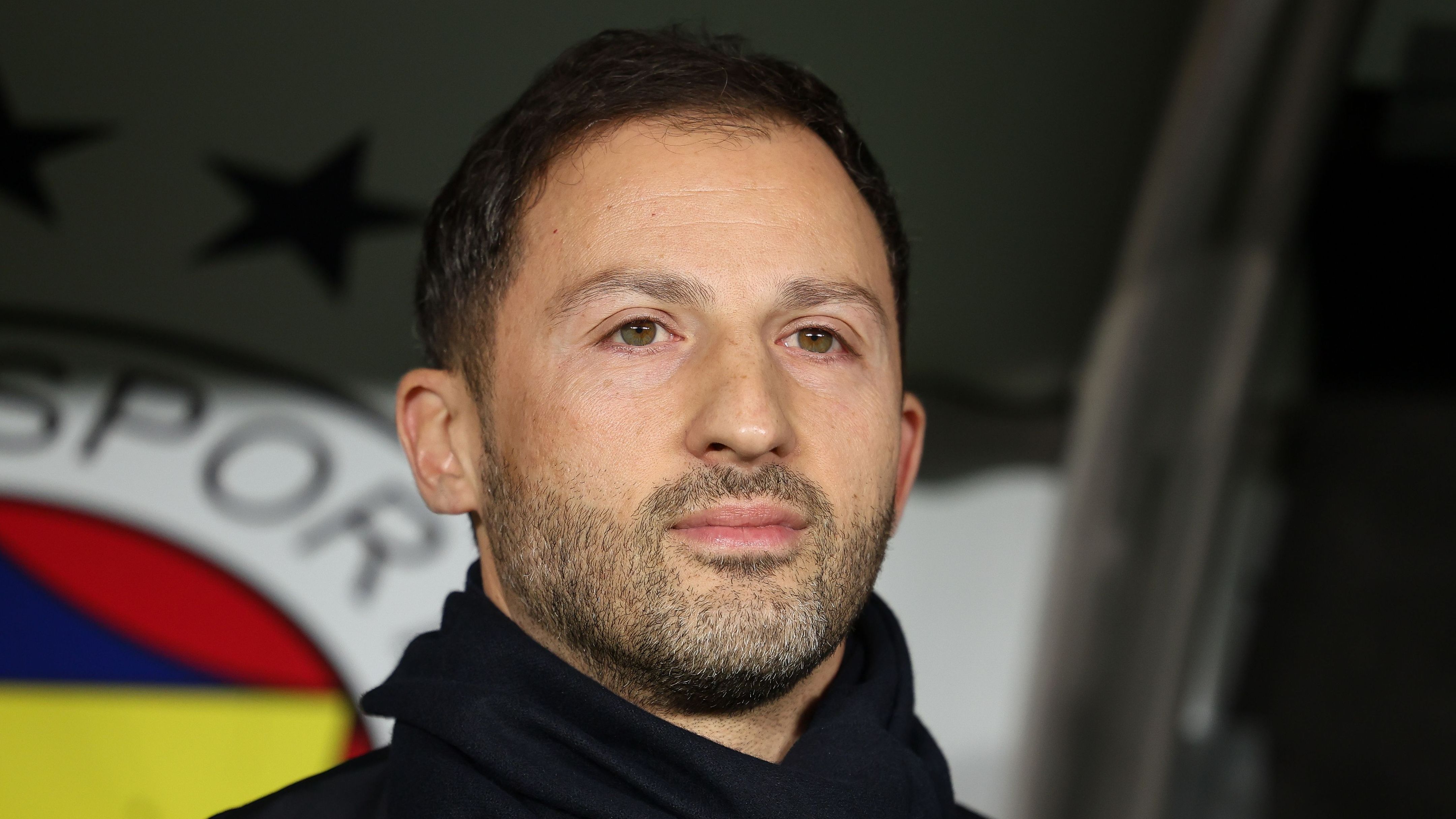
A somber cloud has descended upon the usually vibrant atmosphere of Fenerbahçe, threatening to overshadow their fervent pursuit of the Trendyol Süper Lig title. The club's ambitious journey has hit an unexpected snag, not due to on-field performance issues, but rather a critical health concern involving their highly regarded technical director, Domenico Tedesco. What began as vague rumors of an impending departure has now been clarified as a severe medical situation, with Tedesco battling a serious illness that has forced him away from the touchline during a crucial period for the Sarı-Lacivertliler.
The news of Domenico Tedesco's infection has sent ripples of concern through the Fenerbahçe faithful and beyond, igniting discussions about its potential impact on the team's championship aspirations. As the title race against fierce rivals Galatasaray tightens, every decision, every point, and crucially, every presence on the sidelines, takes on monumental importance. This article delves into the specifics of Tedesco's condition, its immediate and potential long-term ramifications for Fenerbahçe, and how the club is navigating this unforeseen challenge.
The Diagnosis: Pneumonia Confirmed for Domenico Tedesco
Initially, speculation ran wild, with some reports suggesting Tedesco might be contemplating an exit from Fenerbahçe, spurred by attractive offers from European clubs. These rumors, however, were swiftly debunked by official statements and further journalistic investigations, which revealed a far more serious underlying issue: a significant health crisis. It was confirmed that Domenico Tedesco is suffering from pneumonia, a severe lung infection that developed as a complication of a prolonged and intense flu. This diagnosis has clarified the true reason for his absence, shifting the focus from transfer gossip to genuine concern for the coach's well-being.
According to journalist Yağız Sabuncuoğlu and confirmed by various sources, the 40-year-old Italian tactician's lungs have been significantly affected by the infection, necessitating intensive medication and a period of complete rest at home. The club's management has adopted a cautious and supportive stance, emphasizing that Tedesco's full recovery is the absolute priority, and there will be no rush for his return to duties. This responsible approach underscores the gravity of the situation, recognizing that a full recovery from pneumonia is essential for long-term health, particularly for someone in a high-stress role like a football coach. Fans eager for more details on his condition can find further insights in our related piece: Fenerbahçe Coach Domenico Tedesco Diagnosed with Pneumonia.
Impact on Fenerbahçe's Crucial Fixtures and Title Aspirations
The timing of Tedesco's illness could not be more challenging for Fenerbahçe. The club finds itself embroiled in a neck-and-neck battle for the Trendyol Süper Lig title, where every dropped point feels like a significant blow. Furthermore, their journey in the Ziraat Turkish Cup also demands unwavering focus and tactical precision.
Missed Matches and Assistant Coaches Stepping Up
Domenico Tedesco's absence was first keenly felt during the critical away fixture against Antalyaspor. The match ended in a disappointing 2-2 draw, a result that saw Fenerbahçe drop crucial points in the title race. While it's impossible to definitively attribute the draw to Tedesco's absence, the lack of a head coach's presence and real-time decision-making on the touchline can undoubtedly influence player morale and tactical adjustments.
More recently, it has been confirmed that Tedesco will also miss the crucial Ziraat Turkish Cup match against Gaziantep FK. This is another significant fixture, as the cup represents a tangible opportunity for silverware, adding another layer of pressure. In his stead, the responsibility for leading the team's training sessions and match-day operations has fallen to his dedicated team of assistant coaches: Zeki Murat Göle, Max Urwantschky, and his brother, Umberto Tedesco. These individuals have been diligently implementing the tactical programs meticulously prepared by Tedesco before his enforced break. Their ability to maintain continuity and execute the head coach's vision without his direct physical presence will be vital in these challenging weeks.
The Psychological and Tactical Vacuum
While assistant coaches can capably manage training and tactical implementation, the absence of a head coach like Tedesco creates a unique vacuum. A head coach's role extends far beyond merely orchestrating tactics; it encompasses leadership, motivation, in-game strategic shifts, and the psychological edge they bring to the touchline. His dynamic presence, often seen gesturing and shouting instructions, is a source of energy and reassurance for the players. Without him physically present, there's an undeniable void.
The psychological impact on the squad cannot be underestimated. Players, accustomed to their coach's familiar face and voice, might feel a subtle shift in dynamics. While professional athletes are trained to adapt, the human element of concern for their leader's health, coupled with the immense pressure of the title race, could potentially add an extra layer of complexity. The challenge for the assistant coaches now is not just to execute tactics but also to fill this leadership void, providing the motivation and calm assurance necessary to keep the team focused and performing at their peak.
Navigating the Storm: Fenerbahçe's Management and Future Outlook
Fenerbahçe's management is acutely aware of the delicate situation they find themselves in. While the title race remains paramount, the well-being of their coach takes precedence. This measured approach reflects a mature understanding of long-term stability over short-term expediency.
Management's Stance and Tedesco's Contract
The club has made it clear that Domenico Tedesco will not be rushed back into action. His treatment is ongoing, and his recovery is being closely monitored by medical staff. The decision for him to rest at home underscores the severity of his pneumonia and the need for a full, uninterrupted recovery. This stance is crucial for Tedesco's health and also sends a strong message of support and stability to the team and fans alike, debunking any lingering rumors about his commitment or future.
Tedesco's impressive tenure at Fenerbahçe, despite its current pause, has been marked by strong performances. In 36 matches at the helm, he has guided the team to 21 victories, 11 draws, and only 4 defeats, playing a pivotal role in keeping Fenerbahçe firmly in the championship hunt. His contract, which runs until June 30, 2027, signifies the club's long-term faith in his abilities. This extended contract provides a degree of reassurance that even amidst his current health battle, Tedesco remains a central figure in Fenerbahçe's future plans.
The Road Ahead: Uncertainty and Resilience
The exact date of Domenico Tedesco's return to the touchline remains uncertain. As medical professionals guide his recovery, the club and its supporters anxiously await news of his progress. This period of uncertainty presents both a challenge and an opportunity for Fenerbahçe.
- Challenge: Maintaining peak performance and morale without the head coach's direct presence, especially during high-stakes matches.
- Opportunity: For the squad to demonstrate its depth, resilience, and unity. It allows players to step up as leaders and the coaching staff to showcase their collective strength and adaptability.
The focus now shifts to the collective strength of the Fenerbahçe squad and the tactical acumen of the assistant coaches. Their ability to maintain the team's momentum, keep players motivated, and flawlessly execute Tedesco's game plans will determine how well Fenerbahçe navigates this turbulent period. Fans and analysts alike are constantly asking: When Will Tedesco Return? Fenerbahçe Coach's Health Crisis Deepens.
Beyond the Sidelines: Lessons from a Coach's Absence
The unexpected illness of Domenico Tedesco offers valuable insights for any professional football club, highlighting the importance of robust internal structures and contingency planning:
- Strong Assistant Staff: The seamless transition of training responsibilities to Zeki Murat Göle, Max Urwantschky, and Umberto Tedesco underscores the critical importance of a cohesive and competent assistant coaching team. They are not merely subordinates but crucial pillars of support, capable of stepping up when the primary leader is unavailable.
- Contingency Planning: While no one can foresee a severe illness, having clear protocols for leadership transitions and communication channels ensures that operations continue smoothly. This includes ready-to-implement training programs and defined roles for each staff member.
- Maintaining Communication: Even while recovering, Tedesco's presumed remote involvement in tactical preparations shows how modern technology can bridge geographical gaps, allowing for continued oversight and input.
- Player Leadership: In the absence of the primary authority figure, veteran players and team captains often step up to fill the leadership void, motivating their teammates and maintaining discipline. This period can strengthen internal team bonds.
- Focus on Fundamentals: When faced with adversity, simplifying tactical approaches and reinforcing core principles can help a team stay grounded and focused, preventing overwhelming pressure.
As Fenerbahçe navigates this challenging period, the focus remains squarely on Domenico Tedesco's health and a swift, full recovery from his infection. His return to the touchline is eagerly anticipated, but until then, the club's resilience, the competence of its assistant staff, and the unwavering support of its passionate fanbase will be crucial in keeping the title dream alive. This unforeseen obstacle serves as a true test of Fenerbahçe's strength, unity, and unwavering determination to succeed in a season filled with high stakes.